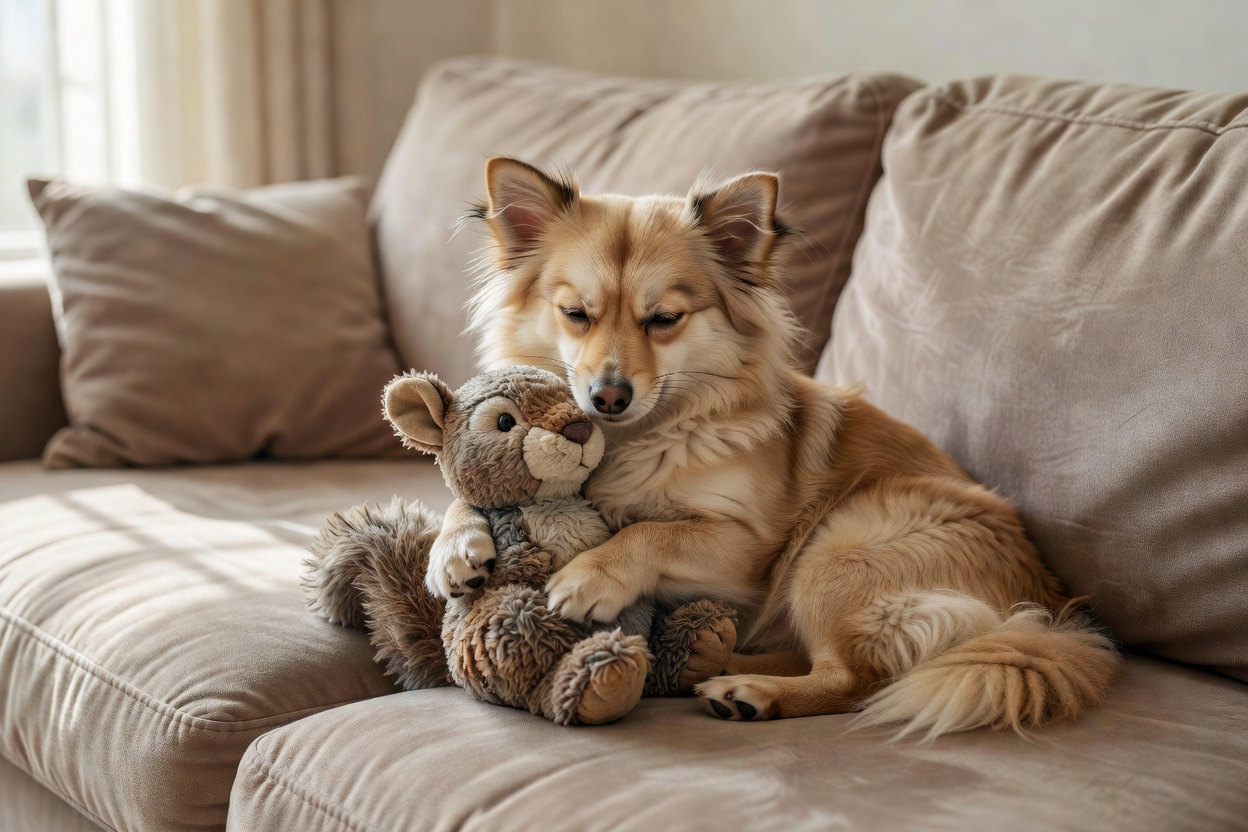
Because Shih Tzus and toy companions thrive on human affection, spending time completely alone can sometimes trigger deep worry. Left unmanaged, separation stress can manifest as distress vocalizations, door scratching, or accidents indoors. The good news is that with gentle desensitization, your pup can learn that staying home solo is safe and relaxing.
1. De-Triggering Departure Cues
Dogs are brilliant observers. Long before you actually turn the doorknob, your Shih Tzu recognizes departure triggers—jingling keys, putting on shoes, or grabbing your handbag. Their anxiety spikes minutes before you even step outside!
To break this stress cycle, practice desensitizing these triggers throughout the day when you aren't leaving:
- Pick up your keys, walk around the living room, then set them back down and sit down.
- Put on your coat, eat a snack at the counter, then take it off.
- Open and close the front door calmly without leaving.
When these cues no longer predict an immediate departure, your dog's baseline stress drops significantly.
2. Building Solo Time Incrementally
Never leave a panicked dog to 'cry it out.' Stress flooding damages emotional trust. Instead, practice the 5-Minute Micro-Departure Drill:
- Provide a frozen treat toy (such as a rubber Kong filled with canned pumpkin or dog-safe peanut butter).
- Step outside the front door for just 30 seconds, then return calmly before your dog shows distress.
- Gradually increase solo intervals from 30 seconds to 2 minutes, then 5, 10, and 20 minutes over several weeks.
3. Creating a Soothing Safe Environment
Environmental design plays a huge role in comforting small dogs:
- Scent Comfort: Place an unwashed t-shirt you wore recently inside your dog's bed. Your familiar scent acts as an emotional anchor.
- Auditory Masking: Play soft classical music, soothing piano chords, or a white noise machine to filter out disturbing outside noises.
- Restricted High Visual Distractions: Close low window blinds if street traffic or passing pedestrians trigger alert barking.
Final Thoughts
Overcoming separation anxiety requires patience and empathy. By celebrating incremental progress and keeping departures low-key, your Shih Tzu will feel secure, happy, and confident every single day.